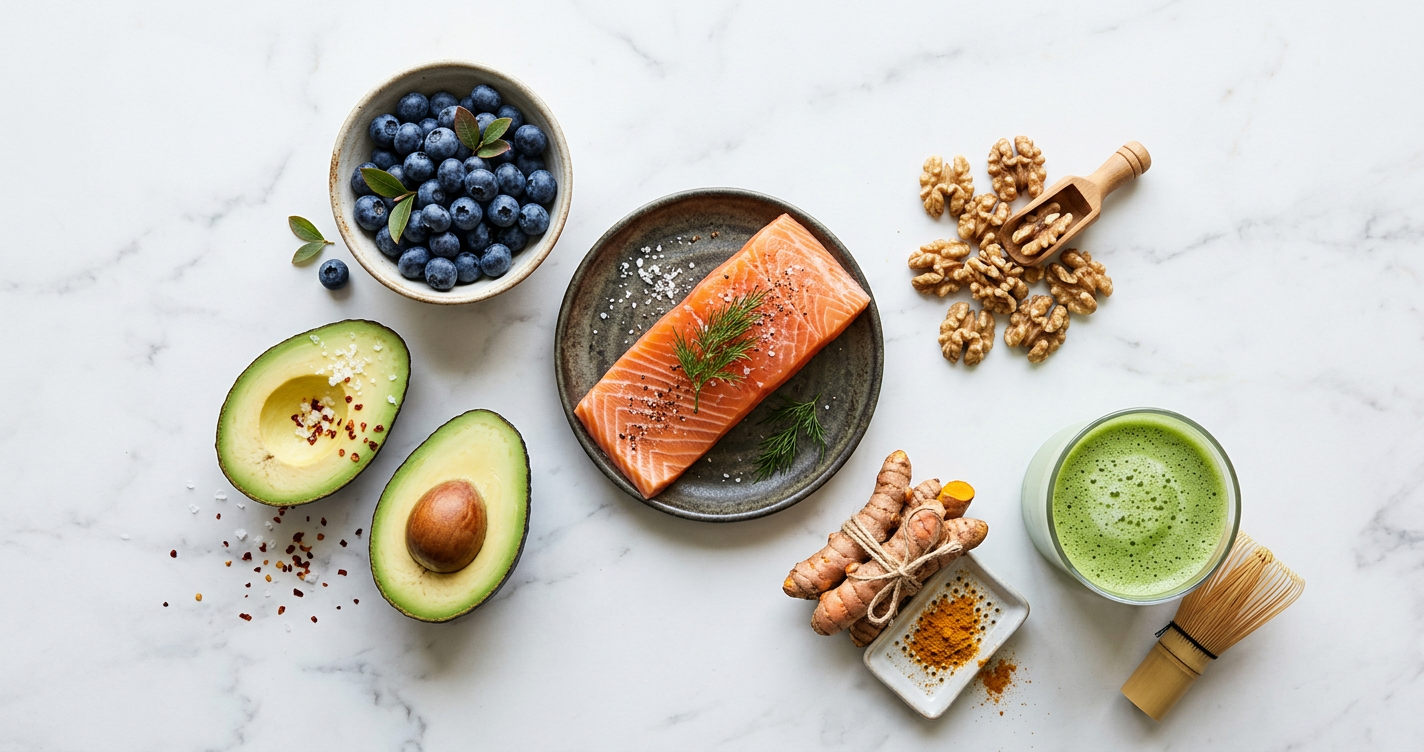
Redness that won't go away. Skin that itches, feels tight, or simply looks tired – despite doing everything you can with your skincare. What many people don't realise: an anti-inflammatory diet can make a decisive difference – not just for your wellbeing, but directly for your complexion.
What you eat every day influences silent inflammatory processes in your body. These chronic inflammations are often invisible – but they leave visible traces: dull skin, blemishes, accelerated skin ageing.
The good news: You don't need to start a radical diet. Even small, conscious changes on your plate can calm and strengthen your skin from the inside.
In this article, you'll learn:
- which foods fuel inflammation
- which ones fight it
- how to put this knowledge into practice in your daily life
When Your Skin Burns, Itches or Reddens – What Your Plate Has to Do with It
Waking up in the morning, looking in the mirror – and instead of refreshed skin, you see redness, a slight burning sensation or a tiredness in your complexion that simply won't be covered up. Do you know that feeling?
You're not alone, and more importantly: There's often more behind it than poor sleep or the wrong skincare product.
"Chronic inflammation in the body is often invisible – until it becomes visible on the skin."
What many don't realise: The skin is not an isolated organ. It reacts to everything happening in the body – and is particularly sensitive to what ends up on your plate every day.
Pro-inflammatory foods such as refined sugar, trans fats or heavily processed products can fuel chronic inflammation that manifests outwardly as redness, irritation or a dull complexion.
The good news? This connection works in reverse too. An anti-inflammatory diet can bring your skin noticeable relief – from the inside out, without any aggressive interventions.
It's not about doing everything perfectly or giving up enjoyment. It's about understanding which foods support your skin – and which ones unnecessarily burden it. This understanding is the first step towards skin that feels comfortable again.
What Is Inflammation – and Why Is Chronic Inflammation a Problem?
 Inflammation is actually a good thing – you should know that before you view it as the enemy across the board. When you cut your finger or catch a cold, your immune system reacts immediately: it sends messenger substances and defence cells to the affected area to fight off intruders and initiate healing. This acute inflammation is a protective, vital reaction – it hurts briefly, and then it's over.
The problem arises when this process doesn't stop.
With chronic inflammation, the immune system remains permanently on a quiet but constant alert level – often without you noticing directly. No swelling, no fever, no clear signal. Instead, the body silently works against itself in the background – for months, sometimes years.
Triggers can include:
- Stress and lack of sleep
- Environmental pollutants
- Pro-inflammatory dietary habits
"Chronic inflammation often runs silently – but it leaves traces. Especially on the skin."
And that's precisely where it often becomes visible first. Scientific studies show that chronic inflammatory processes in the body are directly linked to skin conditions such as acne, rosacea and eczema. The skin is not a closed system – it's a mirror of your internal balance.
When this balance is persistently disrupted, the skin responds with redness, flaking, blemishes or heightened sensitivity that can hardly be managed with topical skincare alone.
This means: if you truly want to understand your skin, you need to broaden your perspective. Not just what you apply – but what happens inside your body every day. And nutrition plays a far greater role than many suspect.
How Inflammation Affects the Skin
Chronic inflammation leaves its traces not only inside the body – it shows quite concretely on your skin. When inflammatory messengers circulate constantly in the blood, they attack collagen and elastin – those structural proteins that keep your skin firm and supple.
The result: skin ages faster, loses firmness and reacts more sensitively to external influences.
This connection becomes particularly clear with conditions such as acne, rosacea or eczema – complaints that can hardly be improved permanently with topical skincare alone, because their root lies deeper.
This is where an anti-inflammatory diet comes in. Certain foods can measurably reduce the activity of inflammatory messengers – and thereby slow down precisely those processes that damage your skin from within. Your plate becomes the most effective complement to your daily skincare routine.
These Foods Promote Inflammation – and You Should Avoid Them
 Before we turn to anti-inflammatory foods, it's worth taking an honest look at what typically ends up on the plate in a typical Western diet – because some of these fuel silent inflammation without you even noticing.
This isn't about bans or guilt. Rather, it's about recognising certain patterns – and then making more conscious choices.
Refined sugar is arguably the greatest inflammation driver of all. It causes blood sugar to spike rapidly, which stimulates the release of inflammatory messengers. Particularly insidious: sugar hides in many products you wouldn't even consider sweet – ready-made sauces, bread, yoghurt. If you want to reduce sugar, reading labels is well worth it.
Heavily processed meat such as sausages, salami or cold cuts contains nitrites, saturated fatty acids and additives that can have a pro-inflammatory effect. Enjoying processed meat occasionally is one thing – as a daily staple, it burdens the body in the long run.
Trans fats are found in industrially hydrogenated fats, fast food and many baked goods. They noticeably disrupt the delicate balance between pro-inflammatory and anti-inflammatory fatty acids in the body.
Alcohol is broken down in the liver into acetaldehyde – a substance that triggers oxidative stress and intensifies inflammatory reactions. The skin reacts visibly too: redness, puffiness and a dull complexion are typical signs.
Heavily processed products – crisps, ready meals, sweetened drinks – often deliver few nutrients but plenty of additives, sugar and low-quality fats. Their regular consumption is considered one of the main drivers of the modern inflammatory diet.
The good thing: every meal is a fresh opportunity to do something good for your skin.
Anti-Inflammatory Foods: What You Should Put on Your Plate Every Day
 Every meal is a small decision – and the good news is: You don't need to start a nutrition revolution to do something noticeably good for your skin.
Just a few targeted additions to your daily plate can make all the difference. Here are the most important anti-inflammatory foods – and why they're so effective.
Oily Fish and Omega-3 Sources
Omega-3 fatty acids are perhaps the best-known natural inflammation fighters. They inhibit the formation of pro-inflammatory messengers directly at cellular level – and benefit your skin doubly: less silent inflammation, more elasticity.
- Salmon, mackerel and sardines (2–3 portions per week are sufficient)
- Walnuts – the only nut with a particularly high omega-3 content
- Ground flaxseed – simply sprinkle over porridge or salad
- Hemp seeds – produced regionally in Switzerland and underrated
- Algae oil – a plant-based alternative for those who don't like fish
Colourful Fruit and Vegetables: Pure Antioxidants
Antioxidants neutralise free radicals before they can cause cell damage. Particularly effective are vitamin C and vitamin E, which are abundant in fresh fruit and vegetables. The rule of thumb is simple: the more colourful the plate, the broader the protective spectrum.
- Blueberries, blackberries and strawberries – rich in polyphenols and vitamin C
- Apples from the Swiss Mittelland (e.g. Boskoop) – secondary plant compounds like quercetin are mainly found in the skin
- Broccoli and Brussels sprouts – contain sulforaphane, which slows inflammatory signalling pathways
- Red and yellow peppers – vitamin C powerhouses that even surpass citrus fruits
- Spinach and chard – deliver vitamin E and carotenoids in one
Spices with Great Impact
Some of the most potent anti-inflammatory compounds are found in ingredients you may already have in your kitchen. Small amounts, big effects.
- Turmeric – the active compound curcumin is one of the best-researched natural inflammation fighters; best combined with a pinch of black pepper, which increases absorption many times over
- Ginger – contains gingerols that act on inflammatory enzymes similarly to ibuprofen, only more gently
- Garlic – allicin inhibits inflammatory reactions and strengthens the immune system at the same time
- Cinnamon (Ceylon) – regulates blood sugar and thereby curbs indirect inflammatory processes
- Rosemary – contains rosmarinic acid, a powerful antioxidant
Healthy Fats and Oils
Not all fats are equal. Cold-pressed, unrefined oils provide valuable polyphenols and monounsaturated fatty acids that can lower inflammatory markers in the blood.
- Cold-pressed extra virgin olive oil – oleocanthal acts similarly to a mild anti-inflammatory medication
- Swiss rapeseed oil – regional, affordable and rich in omega-3 as well as vitamin E
- Avocado – provides glutathione, one of the most important endogenous antioxidants
- Regional pumpkin seed oil – contains phytosterols with inflammation-modulating effects
Quick Overview: Anti-Inflammatory Foods at a Glance
| Category | Examples | Key Active Compound |
|---|---|---|
| Oily Fish | Salmon, mackerel, sardines | Omega-3 fatty acids |
| Berries & Fruit | Blueberries, apples, strawberries | Polyphenols, vitamin C |
| Vegetables | Broccoli, spinach, peppers | Sulforaphane, vitamin E |
| Spices | Turmeric, ginger, garlic | Curcumin, gingerols |
| Oils & Fats | Olive oil, rapeseed oil, avocado | Oleocanthal, omega-3 |
| Nuts & Seeds | Walnuts, flaxseed, hemp seeds | Omega-3, vitamin E |
The lovely thing about this list: it's not a catalogue of prohibitions, but an invitation. Start with a single food – perhaps a handful of walnuts in the afternoon or a teaspoon of turmeric in your morning porridge – and observe how your body and skin change over time.
Antioxidants, secondary plant compounds and healthy fats don't work overnight, but they do work – reliably and sustainably. You don't have to change everything at once.
Berries, Fruit and Vegetables – the Best Plant-Based Inflammation Fighters
Fresh colour on the plate means fresh cells in the skin – that's not a metaphor, it's biochemistry. Fruit and vegetables provide a wealth of antioxidants, polyphenols and secondary plant compounds that neutralise free radicals before they can cause cell damage.
- Blueberries, blackberries and strawberries – particularly rich in polyphenols and vitamin C, which directly combat oxidative stress
- Red and yellow peppers – surpass citrus fruits in vitamin C content and protect the skin's collagen structure
- Broccoli – contains sulforaphane, which slows inflammatory signalling pathways at cellular level
- Apples (preferably with skin) – provide quercetin, one of the most effective secondary plant compounds of all
- Spinach and chard – combine carotenoids and vitamin E in a single vegetable
- Tomatoes – the carotenoid lycopene acts as a powerful antioxidant, especially in cooked form
The more colourful your plate, the broader the protective spectrum for your skin.
Omega-3 Fatty Acids: Why Fish and Linseed Oil Are So Valuable
Omega-3 fatty acids are among the most effective anti-inflammatory foods you can put on your plate every day. They strengthen the skin barrier, promote cell regeneration and dampen silent inflammatory processes that accelerate skin ageing.
The best sources are:
- Oily fish (salmon, mackerel, sardines) – provides EPA and DHA in a directly usable form
- Linseed oil and flaxseed – a plant-based omega-3 source with high ALA content
- Walnuts – a practical snack with remarkable effects
- Chia seeds – versatile and rich in ALA
Important to note: The ratio of omega-3 to omega-6 determines the effect. Western diets often contain too much omega-6 (from sunflower oil, processed foods), which promotes inflammation.
Regularly incorporating omega-3-rich foods actively shifts this ratio towards better skin health.
Spices and Herbs with Anti-Inflammatory Power
Your kitchen is full of powerful anti-inflammatory foods – you just need to use them consciously. Spices and herbs deliver concentrated secondary plant compounds that specifically dampen silent inflammation in the body:
- Turmeric – contains curcumin, one of the best-researched natural inflammation fighters; best combined with a little black pepper to improve absorption
- Ginger – works via gingerols and shogaols to reduce inflammation, ideal as fresh tea or in smoothies
- Rosemary – rich in rosmarinic acid and carnosol, protects cells from oxidative stress
- Cinnamon – regulates blood sugar and thereby reduces pro-inflammatory insulin spikes
- Garlic – allicin works as both an antimicrobial and anti-inflammatory agent
Small amounts, used regularly, make the difference – so feel free to season generously.
Healthy Oils and Other Anti-Inflammatory Foods
Beyond spices, other kitchen heroes provide valuable antioxidants and anti-inflammatory fatty acids. Chief among them is vitamin E, found in nuts and high-quality oils, which actively protects cell membranes from oxidative stress.
| 🔴 Pro-Inflammatory | 🟢 Anti-Inflammatory |
|---|---|
| White flour & sugar | Olive oil (extra virgin) |
| Trans fats (fast food) | Walnuts & almonds |
| Alcohol | Green tea |
| Ready meals | Salmon & mackerel |
| Sugary drinks | Dark chocolate (70%+) |
Swap small habits in your daily life: olive oil instead of margarine, a handful of nuts instead of crisps, green tea instead of soft drinks. These simple steps continuously supply your skin with antioxidants – and you'll feel it from the inside and out.
Anti-Inflammatory Diet and Skin: What Science Says
What you eat shows on your skin – that's not folk wisdom, it's scientifically proven reality. Multiple studies from the fields of dermatology and nutritional science confirm a clear connection between chronic inflammation in the body and skin conditions such as acne, rosacea and eczema.
A consistent anti-inflammatory diet can actively influence this process – and thereby visibly contribute to skin health.
Chronic inflammation is often the invisible trigger behind stubborn skin problems – and nutrition is one of the most effective levers you have in your own hands.
For acne, studies show that a low-carbohydrate, low-sugar diet stabilises insulin levels and thereby regulates sebum production – a central factor in the development of blemishes.
For rosacea, research suggests that triggers such as alcohol, spicy foods and heavily processed products intensify inflammatory reactions in the skin's vascular system.
For eczema, omega-3 fatty acids – abundantly found in salmon, linseed oil and walnuts – play a proven role in strengthening the skin barrier and reducing itching.
The good news: you don't need to adopt a radical diet. Even targeted, practical adjustments towards an anti-inflammatory diet make a difference. Your body – and your skin – respond to consistency, not perfection.
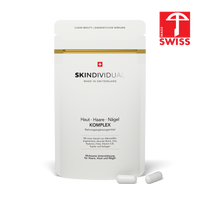
At the same time, the skin needs micronutrients from the inside that aren't always consumed in sufficient quantities through normal diet. This is precisely where the Skin, Hair, Nails Complex from SKINDIVIDUAL comes in: it specifically provides biotin, collagen and other skin-relevant nutrients – as a sensible complement to a conscious diet.
Because the holistic approach makes the difference:
- Nutrition from within, supported by high-quality micronutrients
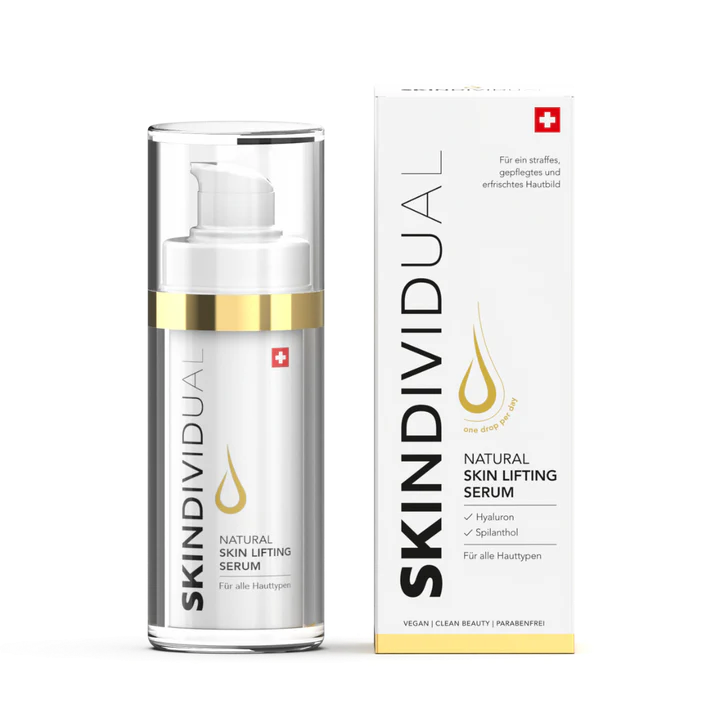
- Targeted care from the outside – for example with the Natural Skin Lifting Serum with spilanthol and hyaluronic acid
Both levels work more effectively together than any measure on its own. This is how true skin health is created: not as a short-term effect, but as a sustainable result.
Acne, Rosacea, Eczema – How Diet Influences Your Complexion
Acne, rosacea and eczema have one thing in common: chronic inflammation plays a central role in all three conditions – and this is precisely where an anti-inflammatory diet takes effect.
- Acne: Less sugar and refined carbohydrates stabilise blood sugar levels, reduce insulin secretion and regulate sebum production.
- Rosacea: Alcohol, spicy foods and heavily processed products fuel inflammatory reactions in the skin's blood vessels – reducing these triggers is well worth it.
- Eczema: An adequate intake of omega-3 fatty acids – for example from salmon, linseed oil or walnuts – demonstrably strengthens the skin barrier and alleviates itching.
The good thing: none of these adjustments require a radical dietary overhaul. Consistent, small changes are often enough to achieve noticeable improvements in your complexion.
Practical Tips: How to Integrate an Anti-Inflammatory Diet into Your Daily Life
Small changes in everyday life often have more impact than you think – especially when it comes to an anti-inflammatory diet. With these actionable tips, you can get started without any pressure:
3 Steps to Begin
- Step 1 – Replace one trigger: Start by swapping just one habit, for example your daily white bread for wholegrain bread or oats. It's doable – and you'll quickly notice a difference.
- Step 2 – Colour on the plate: Add a handful of anti-inflammatory foods to every meal – fresh berries, steamed vegetables or a small portion of nuts.
- Step 3 – Water instead of sugar: Replace sugary drinks with water, unsweetened herbal tea or still mineral water. Your skin will thank you.
Meal Prep for the Week
- Cook a large batch of millet or quinoa on Sunday – both are gluten-free, low-inflammatory side dishes you can combine throughout the week.
- Roast seasonal Swiss vegetables in advance: beetroot, parsnips and pumpkin are regional, affordable and rich in antioxidants.
- Prepare a supply of walnuts, hazelnuts or pumpkin seeds from the region – ideal as a snack or topping for salads and porridge.
- In autumn, plums and apples from Swiss orchards are well worth it: they provide polyphenols that can dampen inflammatory reactions in the skin.
Supplements as a Sensible Complement
- When certain nutrients are difficult to cover through diet alone – such as biotin, zinc or omega-3 – a high-quality dietary supplement can fill the gap. The SKINDIVIDUAL Skin, Hair, Nails Complex specifically combines those micronutrients that support skin and the skin barrier from within – as a sensible complement to an anti-inflammatory diet, not a replacement for it.
Remember: Consistency beats perfection. Those who make small adjustments week after week see far greater improvements in their complexion in the long run than someone who makes radical changes short-term and then gives up.
Supplements as a Complement – When They Make Sense
A balanced anti-inflammatory diet provides most of the nutrients your skin needs – but sometimes that alone isn't enough.
Particularly omega-3 fatty acids, biotin and zinc are micronutrients that can easily fall short in daily life: through one-sided diets, stress or increased demand during certain life phases.
This is precisely where high-quality dietary supplements can step in – not as a replacement for good nutrition, but as a targeted complement. The SKINDIVIDUAL Skin, Hair, Nails Complex was specifically developed for this purpose: it combines those micronutrients that strengthen skin structure, barrier function and elasticity from within – tailored to what your skin truly needs.
Tip: Supplements work best when you take them consistently alongside a nutrient-rich diet. Short-term courses rarely deliver the hoped-for results.
Frequently Asked Questions
What is an anti-inflammatory diet?
An anti-inflammatory diet is about favouring foods that actively reduce chronic inflammation in the body – whilst avoiding those that fuel it. This primarily includes plant-based foods, healthy fats and antioxidant-rich ingredients.
In the long term, this dietary approach can positively influence not only your health but also your complexion.
How quickly does an anti-inflammatory diet work?
Initial changes – such as less skin redness or a more balanced complexion – can often be noticed after just four to six weeks. For lasting results, however, patience is needed: an anti-inflammatory diet only unfolds its full effect after several months of consistent implementation.
It's not a quick fix, but a long-term approach – and that's precisely what makes it so effective.
Which foods are the most anti-inflammatory?
Particularly effective are: - Oily fish such as salmon or mackerel (rich in omega-3 fatty acids) - Berries, cherries and dark leafy greens (antioxidants) - Olive oil, nuts and avocado (monounsaturated fatty acids) - Turmeric, ginger and green tea (secondary plant compounds) - Pulses and wholegrain products (fibre)
Is coffee pro-inflammatory?
This is one of the most common questions – and the answer surprises many: in moderate amounts (one to three cups daily), coffee actually has a mildly anti-inflammatory effect thanks to its polyphenols.
It only becomes problematic when consumed with a lot of sugar, milk or on an empty stomach. Listening to your body is the best guide here.
Does an anti-inflammatory diet help with acne?
Yes – because many forms of acne have an inflammatory component. Anti-inflammatory foods can help regulate sebum production and reduce skin irritations.
At the same time, it's worth reducing heavily processed foods, sugar and dairy products, as these can promote acne in some people.
How does an anti-inflammatory diet differ from the Mediterranean diet?
The Mediterranean diet is essentially one of the best-known implementations of an anti-inflammatory diet – it shares many core principles such as the focus on olive oil, fish, vegetables and pulses.
The difference: the anti-inflammatory diet is broader in scope and specifically includes certain superfoods or dietary supplements that don't feature in the traditional Mediterranean cuisine.