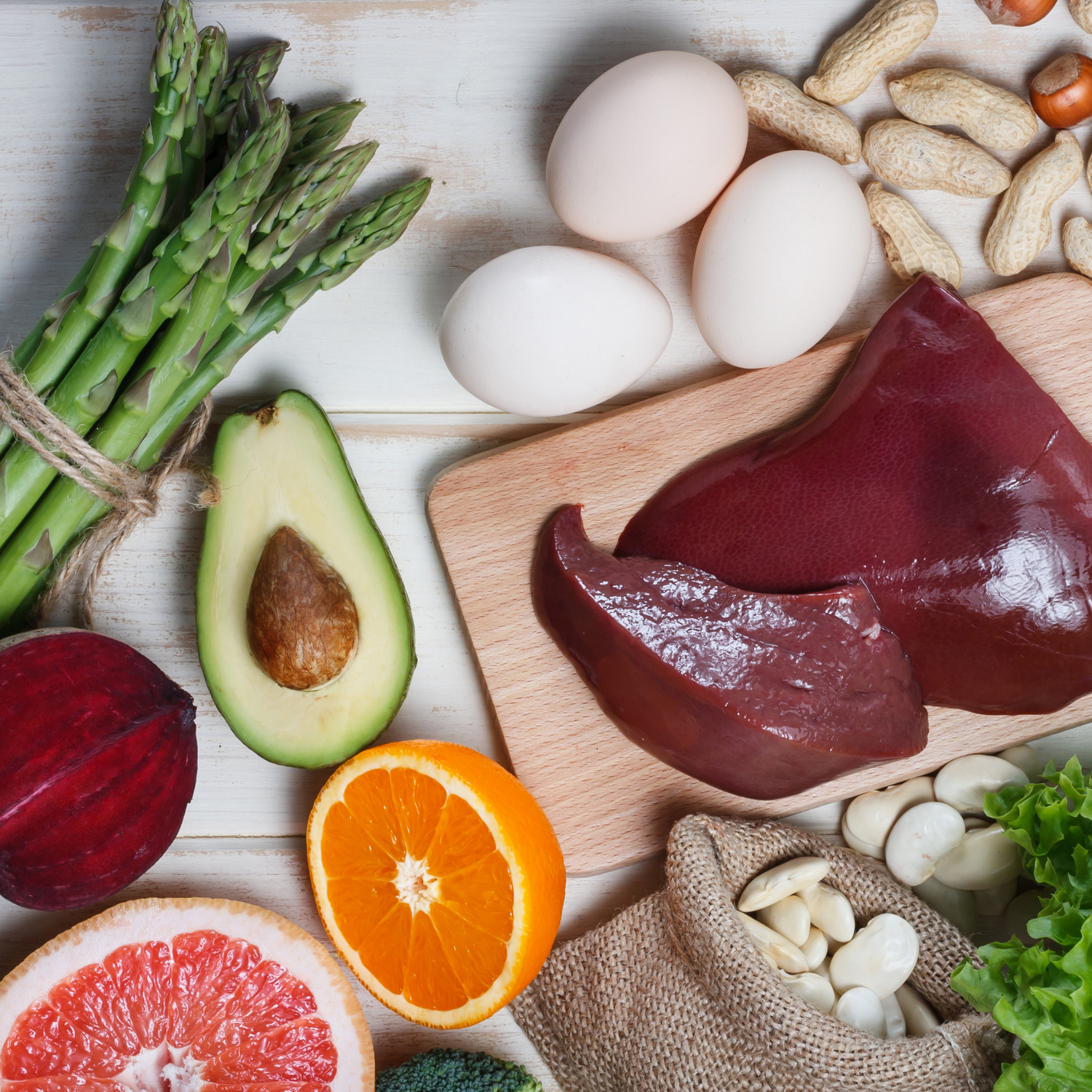
The folic acid effect on our body is often underestimated – yet this B-vitamin is a silent hero for cell division, blood formation, the nervous system, and even for a radiant complexion. Folic acid, also known as folate or Vitamin B9, belongs to the group of B-vitamins and is indispensable for numerous vital processes. Nevertheless, a large part of the population does not reach the recommended daily requirement.
What is folic acid good for – and what is folic acid good for when it comes to your skin? In this article, we provide clear answers to these and other frequently asked questions. You will learn how to recognize a folic acid deficiency and its symptoms early, which foods contain folic acid, and what special role the vitamin plays during pregnancy. We also show you why folic acid is important for your skin health.
What is Folic Acid?
Folic acid is the synthetically produced form of folate – a water-soluble B-vitamin that our body cannot produce itself. You find folic acid primarily in dietary supplements and enriched foods, while natural folate occurs in many plant and animal food sources.
The essential difference: natural folate from food has a lower bioavailability than synthetic folic acid. That's why calculations are made in so-called folate equivalents: 1 µg of food folate corresponds to one folate equivalent, while 1 µg of synthetic folic acid corresponds to about 1.7 folate equivalents.
Our body converts both natural folate and synthetic folic acid into the active form 5-methyltetrahydrofolate (5-MTHF). This active form is involved in DNA synthesis, cell division, and amino acid metabolism – processes crucial for every single cell in your body.
Folic Acid Effect in the Body
From a biochemical point of view, folate acts as a coenzyme in the transfer of so-called C1-groups (one-carbon units). This controls decisive reactions that go far beyond a single body function:
- DNA and RNA synthesis: Folic acid is indispensable for cell division and cell growth. Without sufficient folate, cells cannot divide correctly – this particularly affects rapidly dividing tissues like blood, mucous membranes, and skin.
- Blood formation: Folate supports the formation of red blood cells. A deficiency leads to oversized, dysfunctional erythrocytes – so-called megaloblastic anemia.
- Homocysteine metabolism: Folic acid methylates the amino acid homocysteine into methionine. If folate is missing, the homocysteine level rises – a recognized risk factor for cardiovascular diseases and atherosclerosis.
- Nervous system: Folic acid is involved in the synthesis of neurotransmitters like serotonin and dopamine, thereby supporting mood, concentration, and cognitive performance.
- Pregnancy: For pregnant women, folic acid is essential, as it supports the closure of the fetus's neural tube in the first four weeks.

Folic Acid Effect on the Skin
Where is folic acid found when it comes to skin health? The answer: in every single skin cell. Since folic acid controls cell division and the skin is one of the fastest renewed tissues in the body, the folic acid status has a direct influence on your skin appearance:
- Skin renewal: Folic acid promotes the formation of new skin cells. Optimal supply supports a fresh, even complexion.
- Collagen formation: Via amino acid metabolism, folate indirectly contributes to collagen synthesis – the protein that gives your skin firmness and elasticity.
- Protection against premature skin aging: By lowering the homocysteine level, folic acid reduces oxidative stress, which is linked to premature skin aging.
- Skin barrier: Healthy cell division strengthens the natural skin barrier and helps keep moisture in the skin.
So, if you value a radiant complexion and healthy skin, folic acid should be a fixed component of your diet – complemented by high-quality skincare that gives your skin what it needs from the outside.
Folic Acid Deficiency: Recognizing Symptoms
A folic acid deficiency rarely announces itself abruptly. Typically, non-specific warning signals accumulate that are easily overlooked. If you notice several of the following folic acid deficiency symptoms, you should have your values checked:
- Persistent fatigue and exhaustion: Reduced physical resilience as a result of megaloblastic anemia is one of the most common folic acid deficiency symptoms.
- Pale or yellowish-gray skin: Sometimes accompanied by shortness of breath during slight exertion. A dull skin appearance can be a direct hint of a folic acid deficiency.
- Inflamed tongue (glossitis): A painful, reddened tongue, often accompanied by burning of the oral mucosa.
- Difficulty concentrating and forgetfulness: Since folic acid is involved in neurotransmitter synthesis, a deficiency often manifests in cognitive limitations.
- Irritability and depressive moods: Low folate levels are linked in studies to an increased risk of depression.
- Skin and hair problems: Brittle nails, hair loss, and dry, sensitive skin can also be folic acid deficiency symptoms.
- Pregnancy risks: Insufficient supply in the first weeks can lead to neural tube defects or premature births.
Since many symptoms resemble those of a Vitamin B12 deficiency, a laboratory value should always be consulted before supplementation. Your doctor can determine both the serum folate value (short-term supply) and the erythrocyte folate value (long-term supply).
Who Is Particularly at Risk?
Certain groups of people have an increased risk for folic acid deficiency:
- Pregnant and breastfeeding women with increased demand
- People with chronic bowel diseases (impaired absorption)
- People who consume alcohol regularly
- People who take medications like methotrexate or certain anti-epileptic drugs
- Elderly people with unbalanced nutrition
Foods Containing Folic Acid
Where is folic acid found? In which foods is folic acid contained? Many people who want to improve their folate balance naturally ask themselves these questions. The good news: folic acid foods are varied and easy to integrate into everyday life. Here are the seven most important food groups.
1. Green Leafy Vegetables – The Folic Acid Champions
Hardly any category provides as much folate per bite. The rich chlorophyll already points to the micronutrient density: 140–190 µg per 100 g are common. Raw food or brief steaming minimizes losses.
Folic acid foods in this group:
- Spinach (approx. 145 µg/100 g)
- Lamb's lettuce (approx. 145 µg/100 g)
- Arugula
- Kale
- Chard

2. Cruciferous Vegetables and Cabbage
Broccoli & co. score points with vitamin C and secondary plant substances alongside folate. Half a cup of cooked broccoli covers about 15% of the reference value. Blanching and then shocking maintain color and vitamins.
Typical sources:
- Broccoli
- Brussels sprouts
- Cauliflower
- Pak Choi
- Kohlrabi
3. Legumes – Front-runners Among Folic Acid Foods
Dried and correctly prepared lentils and beans are true nutrient packages: 180–250 µg per 100 g (raw). Soaking and thorough cooking improves digestibility and bioavailability.
Foods containing folic acid in this group:
- Lentils (approx. 240 µg/100 g)
- Chickpeas (approx. 180 µg/100 g)
- Kidney beans
- Black beans
- Lima beans
4. Whole-Grain Cereals and Sprouts
Grain can also provide folate, especially the sprouts that store high amounts (up to 130 µg/100 g). Through sprouting, the content doubles within two days.
Typical sources:
- Wheat germ
- Oatmeal
- Quinoa
- Millet
- Amaranth
5. Nuts and Seeds
They provide not only healthy fats but also 70–120 µg of folate per 100 g. Grinding or soaking increases nutrient absorption.
Typical sources:
- Sunflower seeds
- Flaxseeds
- Sesame seeds
- Chia seeds
- Walnuts

6. Fruit
Fruit provides folate together with antioxidants and is generally consumed raw, so almost no losses occur. A large avocado, for example, contains around 160 µg of folate.
Typical sources:
- Avocado
- Oranges
- Papaya
- Kiwi
- Strawberries
7. Animal Sources
Animal foods contribute less but are a valuable addition. Liver is the front-runner with up to 250 µg per 100 g, but should be consumed at most once a week due to high Vitamin A content.
Typical sources:
- Beef liver
- Chicken liver
- Egg yolk
- Salmon
Our quick everyday tip: Combine at least two of these groups with every main meal – this way you almost automatically reach the recommended 300 µg per day.
Folic Acid Daily Requirement
How much folic acid does your body need daily? The German Nutrition Society (DGE) and EFSA recommend the following guidelines for daily folic acid intake in folate equivalents:
| Person Group | Recommended Daily Intake |
|---|---|
| Adults | 300 µg/day |
| Pregnant women | 550 µg/day |
| Breastfeeding women | 450 µg/day |
| Women wishing to conceive | 300 µg + 400 µg supplement |
Tips for Optimal Absorption
Folate is sensitive to heat, light, and water. To get as much as possible out of your food, follow these tips:
- Cook gently: Steam instead of boiling – this preserves more vitamins.
- Prefer freshness: The fresher the vegetable, the higher the folate content.
- Use cooking water: Use cooking water for sauces or soups, as folate is water-soluble.
- Store correctly: Store vegetables in a dark and cool place, as light reduces the folate content.
Folic Acid During Pregnancy: Why, How Much, When?
Neural tube closure is completed just 26 days after conception – mainly for this reason, the folate status must be correct upon wishing to conceive.
- The DGE recommendation is that women wishing to conceive take an additional 400 µg of synthetic folic acid daily as a supplement – starting at least four weeks before conception.
- During pregnancy, the recommended intake rises to 550 µg folate equivalents per day, during breastfeeding to 450 µg.
- Even with perfect nutrition, pregnant women rarely reach 400 µg through food alone. Dietary supplements can be a form of support here.
- Risk groups like smokers or women with diabetes often need higher doses (up to 800 µg) – clarify this medically.
An optimal folic acid status demonstrably lowers the risk of neural tube defects and other malformations by up to 70%. This positive effect is also reflected in a lower rate of premature births and preeclampsia.

Folic Acid and Skincare: The Perfect Combination
You know what folic acid is good for and how to cover your requirement through diet. But for really healthy, radiant skin, it takes more than just the right nutrition. A good skincare routine complements internal supply with folic acid from the outside.
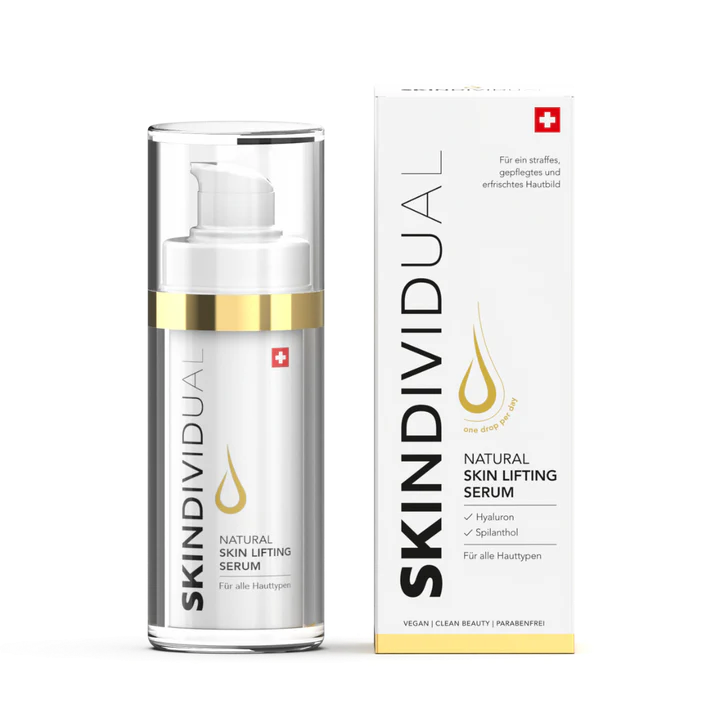
At SKINDIVIDUAL, you will find high-quality skincare products that provide your skin with valuable nutrients and support natural skin renewal. Because beautiful skin is created from within and from the outside.
How to anchor folic acid permanently in your meal plan
Whether fresh spinach salad for lunch or spicy lentil curry in the evening – even small, consistent decisions are enough to reliably fill your folic acid balance. If you put two folate-rich food groups on the plate daily, you will almost incidentally reach the recommended 300 µg per day. This way, you strengthen blood formation, the nervous system, cardiovascular health – and your skin appearance along with it.
In short: rely on color, freshness, and variety in eating, complement with appropriate skincare – and you will do your whole body good.