Few skincare ingredients are recommended as often — and misunderstood as frequently — as retinol. If you're wondering whether the retinol benefits really live up to the hype: yes, they do. But only if you know how to use it properly.
Retinol is a form of vitamin A and ranks among the most thoroughly researched anti-ageing actives in existence. It accelerates cell renewal and boosts collagen production. This helps visibly reduce fine lines, uneven skin texture and dark spots — backed by science, not just marketing claims.
In this article, you'll learn how retinol works in your skin, which skin types it suits and how to avoid potential side effects from the start. That way, you can make an informed decision about whether retinol deserves a place in your routine.
Retinol Benefits: The Key Facts at a Glance
Everything you need to know about retinol in a nutshell:
- Retinol is a form of vitamin A and one of the most extensively studied actives in modern skincare
- Its effects are scientifically proven: retinol stimulates collagen production and visibly refines the complexion
- Fine lines, pores, dark spots — retinol tackles multiple skin concerns simultaneously
- Used correctly, retinol is well tolerated, even by sensitive skin — it all comes down to concentration and gradual introduction
- Patience pays off: first results typically appear after 4–8 weeks of consistent use
You probably know the feeling: you look in the mirror one morning and notice something has changed. The first fine lines around your eyes or between your brows — lines that didn't seem to be there yesterday.
That's nothing to worry about. It's simply the moment when many women start taking their skincare more seriously.
This is exactly where retinol comes in. Hardly any active is recommended more often in anti-ageing skincare — and for very good reason.
What retinol actually does in your skin, how to use it correctly and what to watch out for — you'll find it all here. Step by step, clearly explained.
What Is Retinol — and Why Is Everyone Talking About It?
 Retinol is a form of vitamin A — more precisely, a retinoid, which is a vitamin A derivative. Vitamin A is a fat-soluble vitamin your body needs for numerous processes, including cell renewal and the regulation of cell growth. It plays a central role in the skin — and that's exactly what makes it so valuable in skincare.
Retinol is the cosmetic precursor to retinoic acid — more stable, gentler and still highly effective.
When you apply retinol to your skin, something fascinating happens: your skin cells convert the active step by step — first into retinaldehyde, then into retinoic acid (also known as tretinoin). This retinoic acid is the truly active form that interacts directly with the cell nucleus, ramping up collagen production and accelerating cell renewal.
Retinoic acid itself is available only by prescription in Switzerland because it's significantly more aggressive. Retinol, on the other hand, undergoes this conversion more slowly — making it milder and therefore better suited for daily cosmetic use.
The reason retinol is so well researched is simple: it has been studied scientifically since the 1970s. Back then, dermatologists discovered that vitamin A derivatives not only help with acne but can also visibly reduce signs of skin ageing. Since then, the body of evidence has grown — and today retinol is regarded as one of the few anti-ageing actives whose efficacy is genuinely backed by clinical studies.
What does retinol actually do? It works on several levels at once:
- It stimulates collagen production in the dermis, firming the skin from within
- It accelerates cell renewal, so dead skin cells are shed more quickly
- It inhibits collagen breakdown by so-called matrix metalloproteinases (enzymes activated by UV radiation)
- It improves skin texture, refines pores and counteracts pigmentation irregularities
This explains why retinol gets so much attention when it comes to skin ageing: it's not a miracle cure, but an extraordinarily well-understood active with measurable effects. And that's what makes the difference — because you know what you're putting on your skin and why it works.
Retinol, Retinal, Retinoic Acid — What's the Difference?
Not all forms of vitamin A are equal — and that's the key to understanding retinoids.
| Form | Potency | Tolerability | Availability |
|---|---|---|---|
| Retinol | Medium | Good | Cosmetic products |
| Retinal (Retinaldehyde) | High | Medium | Cosmetic products |
| Retinoic Acid (Tretinoin) | Very high | Low | Prescription only |
All three forms ultimately work through the same mechanism: your skin converts them step by step into retinoic acid — the biologically active form that acts directly on cells. The difference is how many conversion steps are required. Retinol needs two steps, retinal only one. The shorter the pathway, the faster and more intense the effect — but also the greater the irritation potential.
In practical terms, this means: retinol is the ideal starting point. It delivers the proven anti-ageing benefits — more collagen, faster cell renewal, refined pores — at a concentration the skin generally tolerates well. Retinoic acid, by contrast, is reserved for medical use because it can quickly cause irritation without professional guidance.
Bottom line: more potency doesn't automatically mean more benefit — what matters is the right form for your skin.
How Retinol Works on Your Skin — the Science Behind It
 As soon as retinol penetrates your skin, a precise biological process begins — and this process is the reason retinol has remained one of the most thoroughly researched skincare actives for decades.
After conversion into retinoic acid, it binds to specific retinoid receptors in the nucleus of your skin cells. These receptors function like molecular switches: once retinoic acid docks, certain genes are activated — genes that directly govern collagen production, cell division and skin structure.
What this means in practice can be broken down into three main effects.
Boosting collagen production
Collagen is the structural protein that keeps your skin plump, firm and elastic. From around the age of 25, the skin produces less of it — and at the same time, breakdown by enzymes known as matrix metalloproteinases (MMPs) increases.
Retinol tackles both issues: it stimulates the fibroblasts — the collagen-producing cells in the dermis — while simultaneously inhibiting these breakdown enzymes. The result is skin that's denser and firmer over time, with visibly reduced wrinkles.
Clinical studies, including a widely cited paper in the Journal of Investigative Dermatology, confirm that regular retinol use measurably increases collagen synthesis.
Accelerating cell renewal
Young skin renews itself completely every 28 days — with age, this cycle slows to 40–60 days. Retinol gets this rhythm back on track.
It promotes keratinocyte division in the basal layer, thereby accelerating cell renewal. Dead skin cells are shed faster and fresh cells move to the surface. This becomes noticeable on several levels:
- The complexion appears more even
- Dark spots fade
- Skin texture refines noticeably
- Pores become less congested — a welcome side effect many users notice within a few weeks
Boosting hyaluronic acid levels and strengthening the epidermis
Less well known, but equally important: retinol also supports the production of hyaluronic acid in the skin. Hyaluronic acid binds moisture and keeps tissue supple.
In addition, retinol strengthens the epidermis — the outermost skin layer — by promoting the production of proteins responsible for an intact skin barrier. A healthy barrier means less moisture loss, less sensitivity and greater resilience against environmental stressors.
All of these effects don't unfold overnight. Research shows that initial improvements in skin texture become visible after about four to eight weeks, while deeper wrinkles and structural changes tend to be measurable after three to six months of consistent use.
That might sound like a lot of patience — but it's actually good news. Because what works slowly and deeply also lasts longer. That's exactly why retinol isn't a quick fix but a long-term investment in your skin — scientifically proven, well tolerated and effective.
Retinol and Collagen Production: How Wrinkles Are Visibly Reduced
Retinol is one of the few actives for which research provides clear evidence: it measurably stimulates collagen production while simultaneously slowing the collagen-degrading influence of matrix metalloproteinases. The result shows precisely where skin ageing is most visible — in finer lines, shallower wrinkles and a noticeably firmer texture.
Because collagen is the structural protein that supports your skin from within, this effect is noticeable not only visually but also in how the skin feels to the touch.
What makes this anti-ageing benefit especially valuable: retinol works on multiple levels simultaneously. It accelerates cell renewal, supports hyaluronic acid production and strengthens the skin barrier. These combined effects ensure the skin becomes denser, more hydrated and more resilient over time — not a short-term trick, but a profound transformation of the skin's structure.
First visible improvements typically appear after four to eight weeks. Structural changes — such as the reduction of deeper wrinkles — take three to six months of consistent use.
That isn't a weakness of retinol. It's its strength.
Cell Renewal and Skin Texture: A Fresher Complexion Through Retinol
Retinol is one of the few actives that directly and measurably accelerates cell renewal. Normally, the skin renews itself every four to six weeks — but this rhythm slows noticeably with age. Retinol reactivates this natural process: it stimulates keratinocytes to divide faster and ensures dead skin cells are shed more quickly.
What becomes visible is remarkable. Your skin texture becomes more even, the surface finer and the overall complexion clearer. Blemishes, pigmentation irregularities and a dull texture lose their intensity — not because something is being covered up, but because fresher, healthier cells are reaching the surface. That's the difference between a makeup effect and genuine skincare.
This mechanism complements retinol's collagen effect perfectly: while it supports the skin from within, the accelerated cell renewal simultaneously delivers the fresh complexion you see on the outside. Together, they produce skin that looks not only firmer but also more vibrant.
Retinol for Different Skin Types — Who Benefits Most?
 Not every skin reacts the same way to retinol — and that's not a flaw, it's simply biology. The good news: with the right concentration and application strategy, almost every skin type benefits from retinol's unique effects. It's all about finding the right entry point.
Normal skin — the straightforward start
If you don't experience significant dryness, persistent blemishes or particular sensitivity, you have the most flexibility when introducing retinol into your skincare routine. Normal skin tolerates moderate concentrations of 0.25–0.5% well and relatively quickly shows an improved skin texture: finer, more even, clearer.
Start twice a week and increase the frequency after four to six weeks if your skin shows no signs of irritation.
Dry skin — moisture as your safety net
Dry skin benefits enormously from retinol's collagen-stimulating effects but needs a bit more attention during the introduction phase. Cell renewal can initially make the skin feel even drier.
A low concentration of 0.1–0.25% is recommended, combined with a rich moisturiser applied right after. The so-called "sandwich method" — moisturiser, then retinol, then moisturiser again — can significantly improve tolerability.
Sensitive skin — slow is faster
This is the skin type that hesitates most often — and understandably so. Sensitive skin tends towards redness, tingling and irritation, especially during the adjustment phase. But avoidance is rarely the answer.
Start with the lowest possible concentration of 0.05–0.1% and use retinol just once a week at first. Never apply it to damp skin — that increases penetration depth and therefore irritation potential. Give your skin at least eight weeks before increasing the frequency.
Many people with sensitive skin report that the initial reactions subside significantly after the adjustment period and that their skin texture improves noticeably in the long term. Patience here isn't a weakness — it's the strategy.
Oily and combination skin — retinol as a double advantage
Oily and combination skin are the types that benefit most directly from retinol. The accelerated cell renewal regulates sebum production, refines pores and reduces blemishes — all at the same time.
Concentrations of 0.25–0.5% are well tolerated here. Important: choose lightweight, non-comedogenic formulations to avoid putting additional stress on the pores.
Mature skin — maximum benefit, measured application
Mature skin from the mid-40s onwards sees the most visible retinol benefits: fine lines soften, the complexion looks more vibrant, skin texture becomes more even. At the same time, mature skin tends to be drier and more reactive.
The key is a moderate concentration of 0.25–0.5% combined with intensive hydration — and consistency. Those who integrate retinol consistently into their skincare routine see the greatest results not after weeks, but after months.
Retinol During Pregnancy and Breastfeeding
If you're pregnant or breastfeeding, the recommendation is clear: retinol — and all related retinoids — don't belong in your skincare during this time. This isn't overcaution; it's medical consensus. Vitamin A derivatives can, in high doses, affect the baby's development, and even though the risk from topical application is lower than from oral supplements, dermatologists and gynaecologists uniformly advise playing it safe.
The good news: you don't have to give up effective anti-ageing skincare. Hyaluronic acid provides deep hydration and supports skin structure — safely and gently. Centella asiatica soothes and strengthens the skin barrier. And biotin from your diet supports skin, hair and nails from within.
Once you're no longer breastfeeding, you can gradually reintroduce retinol at appropriate concentrations — your skin will be waiting patiently.
How to Use Retinol Correctly: Your Step-by-Step Routine
Retinol delivers its best results when you integrate it into your skincare routine correctly from the start. Whether you're a complete beginner or looking to refine your existing routine — here are two mini routines tailored to your level.
For Beginners: Start Gently, Observe Your Skin
Cleanse first. Wash your face in the evening and gently pat the skin dry. Wait 10–15 minutes until the skin is completely dry — damp skin absorbs actives more intensely and may react with irritation more quickly.
Use the buffer method. Apply a lightweight moisturiser first — then your retinol serum. This so-called buffer method slows absorption and makes the adjustment phase significantly more comfortable for sensitive skin.
Choose a low concentration. Start with a concentration between 0.025% and 0.1%. That may sound low — but it's exactly right for beginners. Your skin needs time to go through retinisation without overreacting.
Apply just once a week. Start with one application per week and monitor your skin closely. Only increase the frequency when you no longer experience redness, flaking or tightness.
Sunscreen in the morning — no exceptions. Retinol makes your skin more photosensitive. An SPF 30–50 sunscreen isn't an optional extra — it's an essential step in every retinol routine, even on cloudy days.
For Experienced Users: Boost Results, Expand Your Routine
In the evening, on dry skin. The same rule applies: let the skin dry completely before application. If you no longer need the buffer method, you can apply the serum directly to cleansed skin.
Increase concentration gradually. Experienced users work with 0.3% to 1%. Higher concentrations don't automatically mean better results — what matters is what your skin can tolerate and how consistently you apply.
Apply up to 3 times a week. Spread applications evenly across the week — for example Monday, Wednesday, Friday. On the other evenings, treat your skin to nourishing ingredients like hyaluronic acid, which locks in moisture and supports skin texture.
Eye care separately. The eye area is particularly delicate. Don't use a retinol product formulated for the face there — a specialised eye gel with soothing actives is the better choice.
Sunscreen remains non-negotiable. Even if you've been using retinol for months, protect your skin daily with sunscreen. This step is not up for debate — it largely determines whether your skincare works long-term or undermines your efforts.
Remember: the best retinol routine is the one you stick with consistently — not the one with the highest concentration.
What Concentration Is Right for You?
Not every retinol serum suits every skin — and that's a good thing. The right concentration depends on how much experience your skin already has with the active.
| Skin Type & Experience | Recommended Concentration | Frequency |
|---|---|---|
| Sensitive, beginner | 0.025% – 0.05% | Once a week |
| Normal, beginner | 0.05% – 0.1% | 1–2 times a week |
| Experienced | 0.3% – 0.5% | 2–3 times a week |
| Seasoned, tolerant | 0.5% – 1% | 3 times a week |
Less really is more at the beginning: a low concentration applied consistently often delivers better results than an overly strong serum that triggers redness or flaking.
Only increase the dosage when your skin tolerates the current level without any issues — and always complement your application with a hydrating care step.
Combining Retinol: What Works and What Doesn't
Retinol delivers its best results when paired with the right companion actives — and when you know which combinations to avoid.
- Hyaluronic acid ✓ — The perfect partner: it provides hydration and soothes potential irritation. Apply the hyaluronic serum after retinol while the skin is still slightly damp.
- Niacinamide ✓ — Strengthens the skin barrier and reduces redness. Ideal for anyone just starting with retinol.
- Ceramides & peptides ✓ — Support regeneration and make your skincare routine even more effective.
- Vitamin C ⚠ — Combine with care: both actives are potent and can cause irritation together. Better to use vitamin C in the morning and retinol in the evening.
- AHA/BHA acids ✗ — This combination is too intense. Applying acids and retinol on the same evenings overwhelms most skin types — alternate them instead.
- Benzoyl peroxide ✗ — Can inactivate retinol and put unnecessary stress on the skin.
Retinol Side Effects — and How to Avoid Them
Many people who start using retinol experience the same thing in the first few weeks: the skin reddens slightly, flakes around the nose or feels drier than usual. That may sound alarming — but in most cases, it's a perfectly normal sign that the active is working.
Redness, flaking and dryness are the most common side effects of retinol, especially during the adjustment phase. Add to that so-called purging: blemishes that were sitting deep in the pores are brought to the surface faster by the accelerated cell renewal.
It may look like a temporary breakout — but it's not a step backwards. It's a sign that retinol is doing its job. This phase typically subsides within two to four weeks.
"Retinol isn't a sprint — it's a marathon."
The most important tip to minimise side effects: introduce retinol gradually. Start with a low concentration and apply it just two to three times a week at first — let your skin adapt.
A tried-and-tested method is the buffer technique: apply a lightweight moisturiser first, then retinol. This slows absorption and noticeably reduces irritation without sacrificing efficacy.
An essential in every retinol routine is sunscreen — every morning, even when it's overcast. Retinol makes your skin more photosensitive, and UV radiation can undo the positive effects of your skincare. SPF 30 or higher is non-negotiable.
Complement your evening routine with a hydrating serum — for example with hyaluronic acid — to strengthen the skin barrier and counteract dryness. Your goal is a routine that challenges your skin but never overwhelms it.
Follow these simple rules and retinol becomes one of the most powerful tools you can use for long-term healthy, firm skin — safely, gently and sustainably.
Retinol Myths: Fact vs Fiction
Plenty of half-truths circulate about retinol — here are the key myths you should know about:
- Myth: retinol thins the skin. The opposite is true: retinol stimulates collagen production and makes the skin more resilient and denser over time.
- Myth: side effects like redness mean retinol isn't for you. Mild irritation during the adjustment phase is normal and no reason to stop — it shows that retinol is taking effect.
- Myth: you should pause retinol in summer. You can use retinol all year round — what matters is consistent sun protection every morning, at least SPF 30.
- Myth: the higher the concentration, the better the results. Too much too soon only leads to more irritation. A low concentration applied regularly delivers better long-term results.
- Myth: retinol and moisture don't mix. On the contrary — a hydrating serum with hyaluronic acid is the ideal companion, protecting the skin barrier and easing side effects.
FAQ
When do you start seeing retinol results?
The first visible changes usually appear after 4 to 8 weeks of regular use — fine lines become less noticeable and the complexion looks more even. For pronounced anti-ageing results such as reduced wrinkles and noticeably firmer skin, allow at least 3 to 6 months.
Can I use retinol every day?
In the beginning, two to three times a week is recommended so your skin can adjust to the active. Over time, you can gradually increase the frequency — many people tolerate retinol daily after a few weeks without any issues.
Is retinol the same as vitamin A?
Retinol is a direct form of vitamin A that is converted by the skin into the active form, retinoic acid. It belongs to the large family of retinoids and is regarded as one of the most extensively researched anti-ageing actives in existence.
What should I do about retinol purging?
Purging — a temporary flare-up of blemishes — can occur in the first few weeks. It's a sign that retinol is kick-starting the skin renewal process.
During this phase, reduce the frequency of application rather than stopping altogether, and support your skin with a soothing, hydrating serum.
Can I combine retinol with hyaluronic acid?
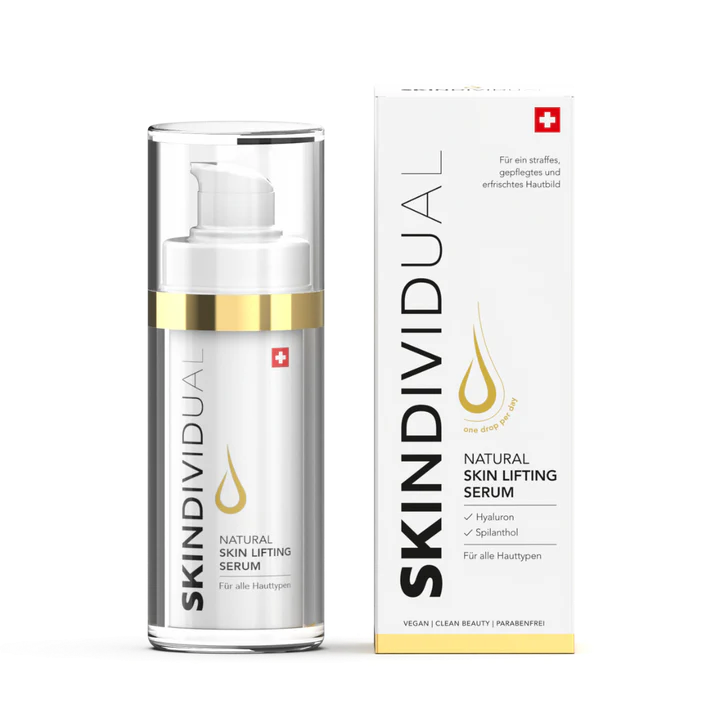
Yes — this combination is actually highly recommended. Hyaluronic acid provides intense moisture, strengthens the skin barrier and helps ease potential side effects like dryness or mild irritation. The [Natural Skin Lifting Serum](https://skindividual.ch) from SKINDIVIDUAL is designed precisely for this synergistic effect.
Is retinol suitable for sensitive skin?
Yes, sensitive skin can benefit from retinol too — the key lies in concentration and how gradually you introduce it:
- Start with a low concentration - Apply the product just once or twice a week at first - Combine it with soothing ingredients like centella asiatica
Should I apply retinol in the morning or the evening?
Retinol belongs in your evening routine because it's photosensitive and UV exposure can reduce its efficacy. Apply sunscreen with at least SPF 30 every morning — that's not optional, it's essential for safe and effective use.